

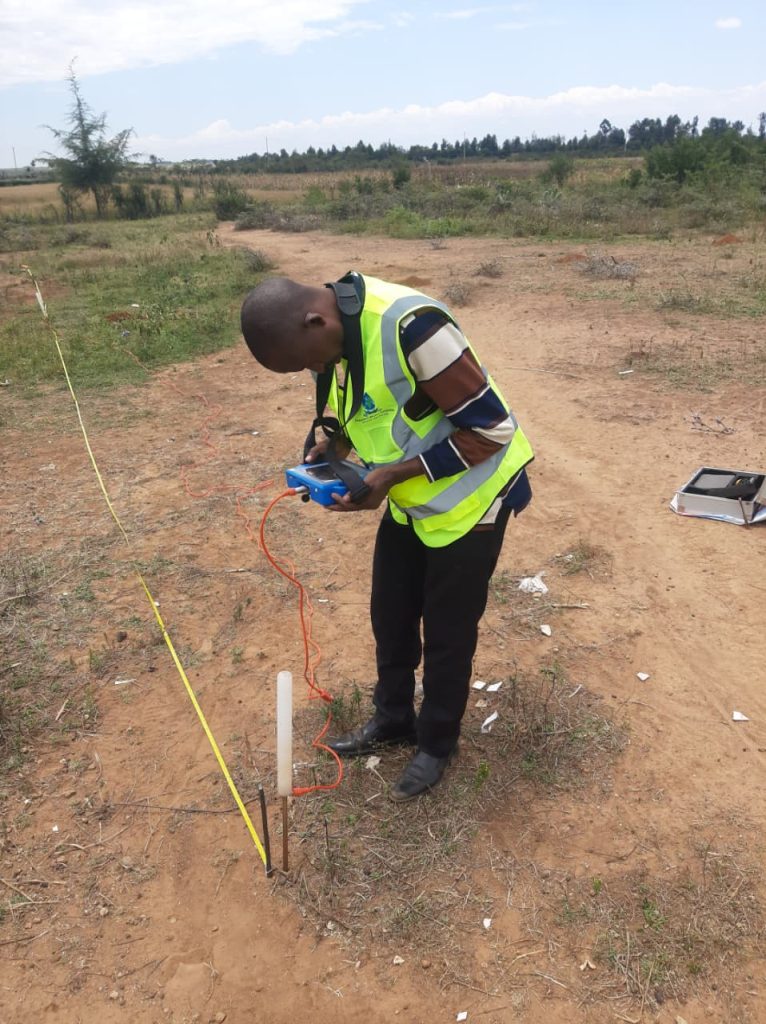
When planning a borehole in Kenya, many landowners focus on drilling rigs, costs, and contractors—but often overlook the most critical step: the hydro-geological survey. This survey determines whether your borehole will yield sufficient, safe water or become a dry, costly failure.
In this article, we explain why a hydro-geological survey in Kenya is the backbone of any successful borehole project, what the process involves, and how it helps you avoid expensive mistakes.
What Is a Hydro-Geological Survey?
A hydro-geological survey is a scientific study conducted by a licensed hydrogeologist to evaluate underground water conditions on a site. It answers key questions:
- Is there water beneath your land?
- At what depth is the aquifer located?
- What is the estimated yield (liters per hour)?
- What is the quality of the groundwater?
The survey involves geological mapping, geophysical methods, and test drilling data to give accurate results. In Kenya, only a registered hydrogeologist licensed by the Water Resources Authority (WRA) can carry out this survey.
Why a Hydro-Geological Survey Is Mandatory in Kenya
Before drilling begins, you must submit a hydro-geological survey report when applying for a WRA borehole drilling permit. This requirement ensures:
- Groundwater resources are protected from over-extraction.
- Boreholes are drilled in suitable, sustainable locations.
- Communities avoid costly dry wells.
- The environment is safeguarded against water table depletion.
Drilling without a survey not only risks failure but also violates Kenyan water laws, which can lead to legal fines and borehole closure.
How a Hydro-Geological Survey Impacts Borehole Success
1. Determines Borehole Viability
A survey confirms whether your land has a sufficient and accessible water source before investing millions in drilling.
2. Saves Costs in the Long Run
Without a survey, you risk drilling multiple dry or low-yield boreholes. The survey pinpoints the most productive location, reducing wasted effort.
3. Identifies Potential Water Quality Issues
Some areas in Kenya, such as Rift Valley and Coastal regions, are prone to high fluoride or salinity levels. Early testing ensures you plan for treatment if necessary.
4. Guides the Drilling Contractor
The report provides the contractor with essential data like recommended depth, casing type, and pump specifications, ensuring technical accuracy.
5. Helps Secure Approvals Faster
Submitting a professionally done hydro-geological report speeds up your WRA and NEMA approval process.
The Hydro-Geological Survey Process in Kenya
- Site Visit & Preliminary Assessment – Hydrogeologist inspects the area and reviews geological maps.
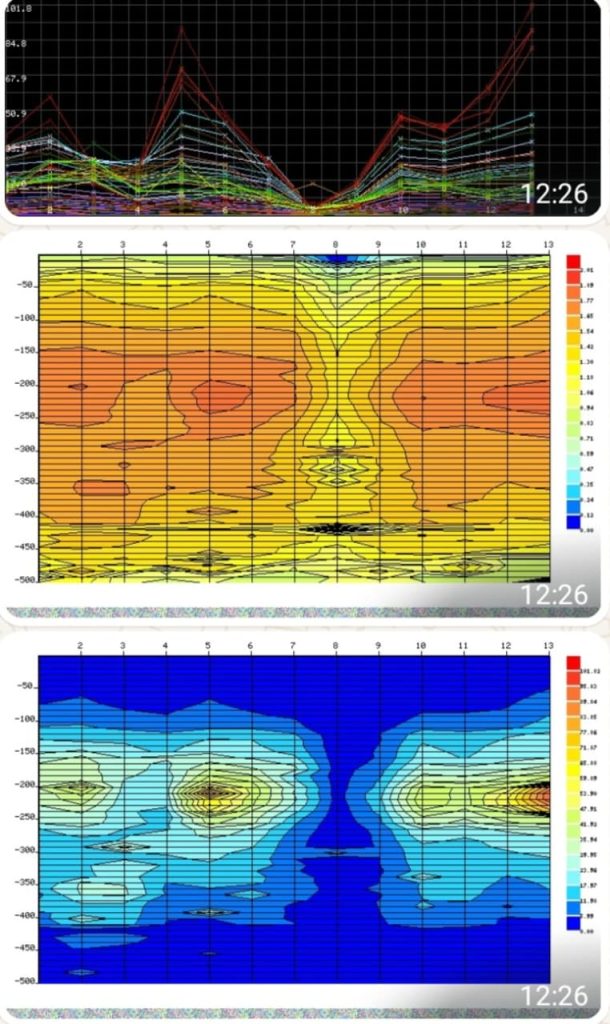
- Geophysical Survey – Using electrical resistivity and seismic methods to locate aquifers.
- Data Analysis – Estimating groundwater depth, recharge rates, and quality.
- Report Preparation – Detailed hydro-geological report with maps, graphs, and borehole recommendations.
- Submission to WRA – The report is included in your application for a borehole drilling permit.
Frequently Asked Questions About Hydro-Geological Surveys in Kenya
Q1: How much does a hydro-geological survey cost in Kenya?
The cost typically ranges from KSh 80,000 to KSh 150,000, depending on location, terrain, and site size.
Q2: Who is allowed to conduct a hydro-geological survey in Kenya?
Only a licensed hydrogeologist registered with WRA can carry out the survey legally.
Q3: Can I drill a borehole without a hydro-geological survey?
No. Kenyan law requires a hydro survey before borehole drilling. Skipping this step risks fines, project failure, and borehole closure.
Q4: How long does a hydro-geological survey take?
Most surveys take 2–5 days, depending on site complexity and accessibility.
Q5: Does a hydro-geological survey guarantee water?
While it does not guarantee 100% success, it significantly increases your chances by identifying the most suitable drilling point and depth.
Q6: Is water quality tested during a hydro-geological survey?
Yes. Samples are analyzed for fluoride, salinity, hardness, and bacteria to guide treatment requirements.
Conclusion
A hydro-geological survey in Kenya is not just a formality — it is the foundation of a successful borehole project. It determines viability, saves money, identifies risks, and ensures legal compliance. Without it, you risk drilling a dry or contaminated borehole, wasting both time and resources.
Before investing in drilling, always engage a licensed hydrogeologist and insist on a professional hydro-geological survey.
📌 Next Read: How to Identify a Reliable Borehole Drilling Company in Kenya

